How to prepare for the 'Fasting glucose' test: rules for taking it
Fasting glucose is one of the simplest and most common tests. It is usually where a check of carbohydrate metabolism and screening for prediabetes and diabetes mellitus begins. However, the simplicity is deceptive: the result is affected by the duration of fasting, stress, sleep, recent workouts and even how long the tube sat before processing. The editorial team explains how to take the test properly.
What «fasting» really means
The American Diabetes Association defines the fasting state as no caloric intake for at least 8 hours. In practice, laboratories recommend an interval of 8–14 hours. Less than 8 hours — and you risk getting an elevated level due to the residual effect of dinner; more than 14 hours — the body switches into a prolonged fasting mode, and the result may be atypical.
«No calories» means that not only food is prohibited, but also juices, milk, sweet drinks, sports drinks, BCAAs and protein shakes, chewing gum and lozenges. Even a small amount of sugar or amino acids stimulates a hormonal response and affects the level of glucose and insulin.
Plain still water is permitted and even advisable: mild dehydration concentrates the blood, and a morning glass of water also helps the draw itself. The editorial team advises abstaining from coffee and tea, even without sugar: caffeine stimulates adrenaline release and can affect glycemia and insulin sensitivity.
Smoking before the test is also undesirable. Nicotine activates the sympathetic nervous system and the release of stress hormones, so cigarettes and electronic nicotine devices should be given up for at least an hour, and preferably from the evening before.
The evening and morning before the test
The last dinner should be ordinary, without overeating and without large amounts of sweets or alcohol. Alcohol affects glucose ambiguously: it can suppress glucose production in the liver and lower the morning level, and in combination with sweet drinks — raise it. Therefore alcohol should be given up for at least a day.
It is important not to change your diet abruptly a few days before the test. If a person usually eats enough carbohydrates but switches to keto or fasting before the test, the result stops reflecting the usual state. For the oral glucose tolerance test, the WHO even requires that for three days before it a person consume at least 150 g of carbohydrates per day.
Sleep matters. Sleep deprivation and night shifts raise cortisol levels and reduce insulin sensitivity. A result after a sleepless night may be higher than usual, so it is advisable to get a normal night's sleep beforehand.
In the morning, come to the laboratory calmly, without rushing. The optimal time is between 7 and 10 o'clock. Later, because of the long fast and the daily hormonal rhythms, the result changes, and in people prone to diabetes the morning «dawn phenomenon» can raise glucose from the early hours.
Training, stress and medications
Physical activity affects glucose in two ways. Regular training improves insulin sensitivity and in the long term lowers fasting glucose. But very intense training the day before can temporarily change the picture, and morning cardio right before the test, due to the adrenaline surge, can raise the glucose level.
Therefore, the day before the test it is better to limit yourself to light activity, and on the day of the test — not to train before the blood draw. This especially applies to morning fasted workouts, popular among athletes who are cutting.
Acute stress, pain, inflammation and infections raise glucose due to cortisol, adrenaline and other counter-insular hormones. This condition is called stress-induced hyperglycemia. A routine test during a cold with fever or immediately after an injury is better postponed.
Some medications and drugs also change the glucose level. Below are the main groups that are worth informing the doctor about:
- glucocorticoids (prednisolone, dexamethasone) — raise glucose;
- thiazide diuretics, some beta-blockers, high-dose niacin — can raise it;
- somatotropin and drugs affecting its secretion — worsen insulin sensitivity;
- glucose-lowering drugs — obviously lower it; they must not be discontinued on your own.
Laboratory nuances: the tube, the glucometer, timing
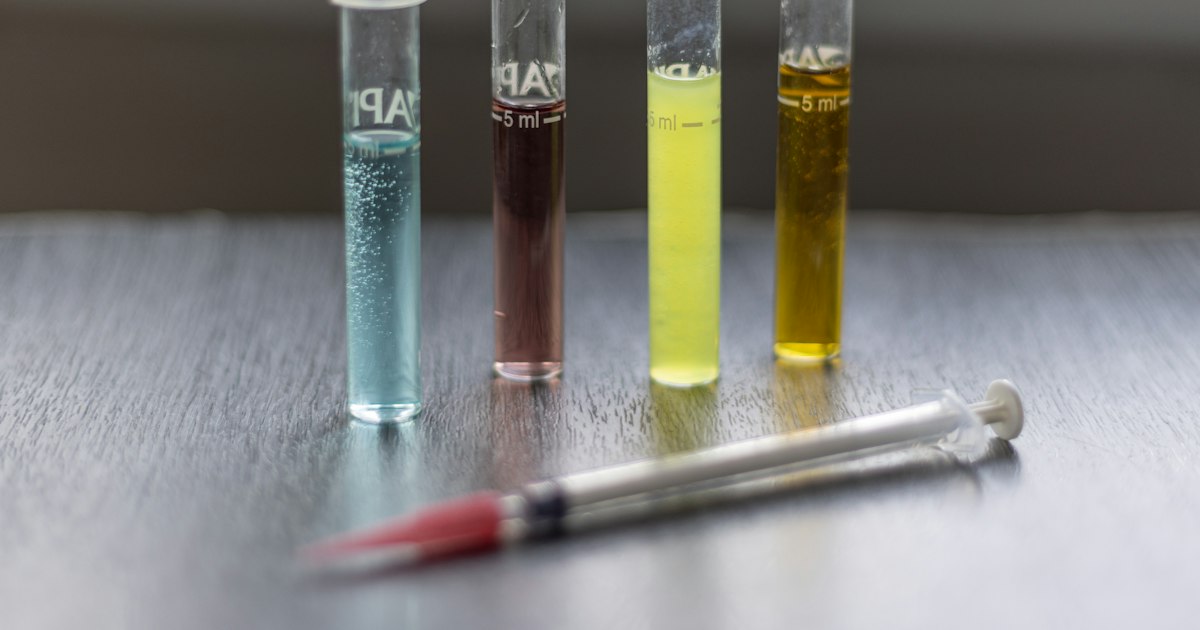
Few people know that glucose continues to «disappear» from the tube after the draw: blood cells use it as fuel. At room temperature, according to guidelines on the laboratory diagnosis of diabetes, the glucose level falls by about 5–7% per hour if the sample is not centrifuged and stabilized.
To prevent this, laboratories use tubes with sodium fluoride (gray caps) or with a citrate buffer, and also separate the plasma as quickly as possible. If you give blood at a collection point from which samples are transported for a long time, the result may be falsely low.
A home glucometer measures glucose in capillary blood, and its accuracy allows a deviation that is acceptable for self-monitoring but not for making a diagnosis. A diagnosis of diabetes or prediabetes is made by a laboratory test of venous plasma.
Also pay attention to the units of measurement: in Ukraine mmol/L is used, in the USA — mg/dL. To convert a value to mg/dL, it is divided by about 18. When comparing your results with foreign sources, it is easy to make a mistake precisely here.
How to read the result
| Fasting plasma glucose | Assessment (ADA) | What to do |
|---|---|---|
| 3.9–5.5 mmol/L | Normal | Monitor routinely |
| 5.6–6.9 mmol/L | Impaired fasting glycemia (prediabetes) | See a doctor, assess HbA1c |
| ≥ 7.0 mmol/L | Possible diabetes | Repeat the test, examination by an endocrinologist |
| < 3.9 mmol/L | Low level | Determine the cause together with a doctor |
A single elevated result does not equal a diagnosis. By ADA criteria, a diagnosis of diabetes requires confirmation: a repeat fasting glucose test, HbA1c, or an oral glucose tolerance test, if there are no obvious symptoms of hyperglycemia.
Low fasting results in a lean athlete in a caloric deficit are usually normal, but a sharp decrease with symptoms of weakness, trembling and sweating requires examination.
Fasting glucose reflects only one moment. To assess long-term glycemic control it is supplemented with a glycated hemoglobin test, and to detect insulin resistance the doctor may order fasting insulin with calculation of the HOMA-IR index.
Editorial conclusions
A fasting glucose test requires 8–14 hours without calories; only plain water is permitted, while coffee, smoking and sports drinks are undesirable.
The result is distorted by stress, sleep deprivation, illness, intense training and some medications, and in the laboratory — by a delay in processing the tube.
A single deviation always requires a repeat test and a consultation with a doctor, and a glucometer does not replace a laboratory test.
We also recommend reading our articles on preparing for the glycated hemoglobin (HbA1c) test, on cortisol, and on triglycerides.
References
- American Diabetes Association Professional Practice Committee. 2. Diagnosis and classification of diabetes: Standards of Care in Diabetes—2024. Diabetes Care. 2024;47(Suppl 1):S20–S42.
- Sacks DB, Arnold M, Bakris GL, et al. Guidelines and recommendations for laboratory analysis in the diagnosis and management of diabetes mellitus. Clin Chem. 2011;57(6):e1–e47.
- World Health Organization. Definition and diagnosis of diabetes mellitus and intermediate hyperglycaemia: report of a WHO/IDF consultation. Geneva: WHO; 2006.
- Rifai N, Horvath AR, Wittwer CT (eds). Tietz Textbook of Clinical Chemistry and Molecular Diagnostics. 6th ed. Elsevier; 2018.
- Matthews DR, Hosker JP, Rudenski AS, et al. Homeostasis model assessment: insulin resistance and beta-cell function from fasting plasma glucose and insulin concentrations in man. Diabetologia. 1985;28(7):412–419.
Andriy Melnyk
A strength-sports coach and author of programs for beginner and intermediate levels. Writes about training planning.