How to prepare for the 'Glycated hemoglobin (HbA1c)' test: rules for taking it
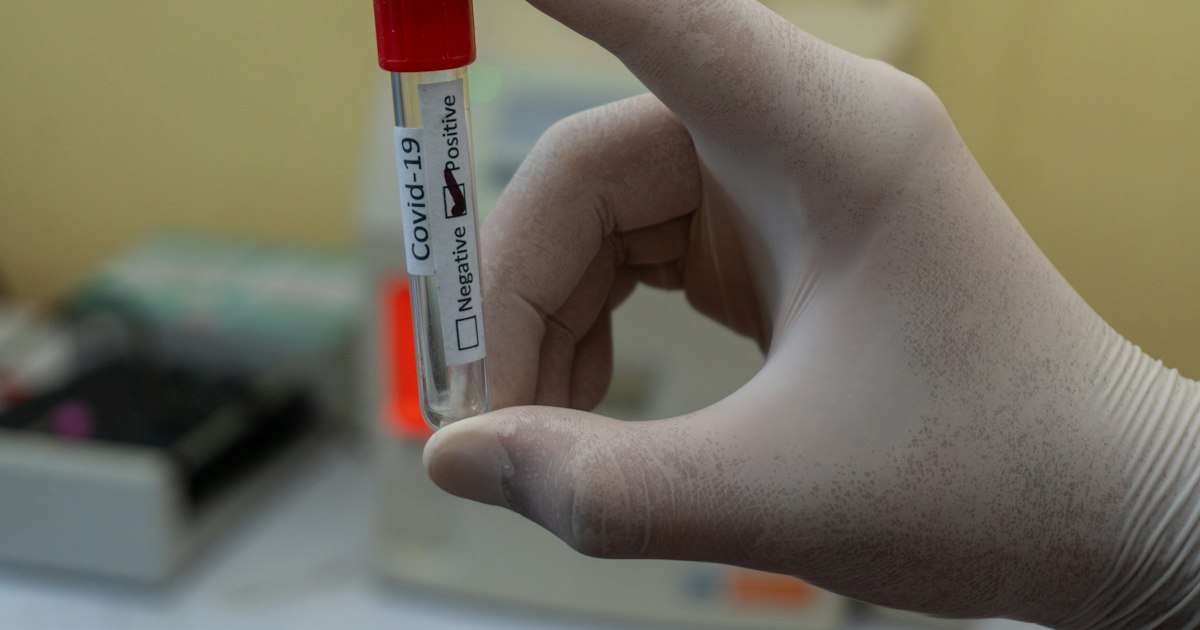
Glycated hemoglobin, or HbA1c, shows the average blood glucose level over the previous 2–3 months. It is one of the few tests for which it hardly matters what you had for breakfast. However, it has its own «traps» related to the state of the red blood cells. The editorial team explains how preparation for HbA1c differs from preparation for a glucose test and when the result can be misleading.
What HbA1c is and why it «remembers» months
Glucose in the blood attaches to the hemoglobin of red blood cells without the participation of enzymes. This process is called glycation. The higher the glucose level and the longer the red blood cell lives, the greater the proportion of its hemoglobin that becomes glycated. HbA1c is the percentage of hemoglobin A to which glucose has attached.
A red blood cell lives on average about 120 days. Therefore HbA1c reflects the integrated glucose level over the last 2–3 months. However, the contribution of different periods is unequal: the last weeks carry the greatest weight, because red blood cells of different ages are present in the blood at the same time, and «young» cells predominate.
From this follows a practical rule: after a change in diet, training regimen or treatment, there is no point in checking HbA1c after just two weeks. Noticeable changes appear roughly after 6–8 weeks, and a completely new level is reflected after about 3 months.
The ADAG study showed that HbA1c correlates closely with the average glucose calculated by continuous monitoring. For example, an HbA1c of 7% corresponds to an average glucose level of about 8.6 mmol/L. Such a calculation helps patients better understand what the percentage on the report means.
Whether preparation is needed
Unlike fasting glucose, HbA1c does not require fasting: one meal or one sweet drink does not noticeably change the proportion of glycated hemoglobin. That is precisely why the American Diabetes Association recognizes it as a convenient diagnostic test that can be taken at any time of day.
However, if HbA1c is taken together with glucose, a lipid profile or other tests that require fasting, the logic of preparation is set by them. In that case, come in the morning while fasting, after 8–12 hours without food.
Neither coffee, nor training the day before, nor mild stress significantly affect HbA1c. But this does not mean that no preparation is needed at all: it is important to inform the doctor about conditions that change the lifespan of red blood cells — about anemia, recent blood loss, blood transfusion, blood donation, kidney or liver diseases, pregnancy.
The analysis method also matters. Modern laboratories use methods certified by the NGSP program and standardized against the IFCC reference system. If you are tracking trends, it is better to take the test in one and the same laboratory each time.
When HbA1c lies: blood conditions
The main weakness of HbA1c is its dependence on red blood cells. Any condition that changes their lifespan shifts the result regardless of the glucose level. Systematic reviews show that this applies primarily to anemias and changes in iron metabolism.
| Condition | Likely effect on HbA1c | Why |
|---|---|---|
| Iron-deficiency anemia | Falsely elevated | Red blood cells live longer, accumulate glucose |
| Hemolysis, blood loss | Falsely low | Young red blood cells predominate |
| Blood transfusion | Unpredictable | Donor blood with a different HbA1c |
| Treatment with iron preparations, erythropoiesis stimulators | May decrease | Influx of new red blood cells |
| Hemoglobin variants (HbS, HbC, HbE) | Depends on the method | Analytical interference |
| Chronic kidney disease | Ambiguous | Anemia, changes in erythropoiesis |
| Pregnancy | Usually lower | Accelerated turnover of red blood cells |
In all these situations the doctor may prefer other markers — fasting glucose, a glucose tolerance test, fructosamine or continuous glucose monitoring.
If your HbA1c does not substantially match the glucose level from home measurements, this is a reason to check a complete blood count, ferritin and markers of hemolysis.
Also pay attention to regular blood donation. After giving blood, the body actively produces new red blood cells, and HbA1c may temporarily decrease without a real improvement in glucose metabolism.
Considerations for athletes
For athletes, an important factor is iron metabolism. Endurance exertion, especially running, is associated with increased iron loss and mechanical destruction of red blood cells. Iron deficiency can falsely elevate HbA1c, while increased red blood cell turnover, on the contrary, lowers it. The result depends on which process predominates.
Training at altitude and hypoxic protocols stimulate erythropoiesis, that is, the formation of new red blood cells. Young cells contain less glycated hemoglobin, so during such training blocks the values may be atypically low.
The use of hormonal drugs can also affect the indicator indirectly: androgens stimulate erythropoiesis, changing the age composition of red blood cells, while somatotropin and glucocorticoids worsen insulin sensitivity. Therefore the doctor must know about all drugs in order to interpret the result correctly.
The editorial team's practical advice: take HbA1c together with a complete blood count and, if possible, ferritin. Such a combination makes it possible to see immediately whether anemia or increased erythropoiesis is distorting the result.
Norms, units and frequency of monitoring
HbA1c is expressed as a percentage (NGSP system) or in mmol/mol (IFCC system). By ADA criteria:
- below 5.7% (less than 39 mmol/mol) — normal;
- 5.7–6.4% (39–47 mmol/mol) — prediabetes;
- 6.5% and above (48 mmol/mol and above) — a criterion for diabetes that requires confirmation.
In different countries the prediabetes thresholds may differ slightly, so the final assessment is made by the doctor. It is also important that HbA1c as a diagnostic criterion is acceptable only when the method is standardized and there are no conditions distorting the result.
For people without diabetes and without risk factors, the test is usually done during routine examinations. In prediabetes the doctor may recommend monitoring about once a year, and in diabetes — every 3–6 months depending on stability.
For an athlete who undergoes regular medical monitoring, HbA1c is a useful indicator of metabolic health, especially during periods of using drugs that affect insulin sensitivity, or during a bulk with a large amount of carbohydrates.
Editorial conclusions
HbA1c does not require fasting and reflects average glycemia over 2–3 months, so it does not «break» from last night's dinner.
The main sources of error are anemia, blood loss, donation, blood transfusion, increased erythropoiesis and hemoglobin variants.
To interpret the result correctly, take HbA1c together with a complete blood count, and assess changes no earlier than after 2–3 months.
We also recommend reading our materials on preparing for the fasting glucose test, on ferritin, and on cortisol.
References
- American Diabetes Association Professional Practice Committee. 2. Diagnosis and classification of diabetes: Standards of Care in Diabetes—2024. Diabetes Care. 2024;47(Suppl 1):S20–S42.
- International Expert Committee. International Expert Committee report on the role of the A1C assay in the diagnosis of diabetes. Diabetes Care. 2009;32(7):1327–1334.
- Nathan DM, Kuenen J, Borg R, et al. Translating the A1C assay into estimated average glucose values. Diabetes Care. 2008;31(8):1473–1478.
- English E, Idris I, Smith G, et al. The effect of anaemia and abnormalities of erythrocyte indices on HbA1c analysis: a systematic review. Diabetologia. 2015;58(7):1409–1421.
- Sacks DB, Arnold M, Bakris GL, et al. Guidelines and recommendations for laboratory analysis in the diagnosis and management of diabetes mellitus. Clin Chem. 2011;57(6):e1–e47.
- World Health Organization. Use of glycated haemoglobin (HbA1c) in the diagnosis of diabetes mellitus. Geneva: WHO; 2011.
Andriy Melnyk
A strength-sports coach and author of programs for beginner and intermediate levels. Writes about training planning.